The post Anime & Manga Industry Analysts Give Exclusive 2022 Predictions appeared first on Project Anime.
]]>Developments, such as AMC acquiring Sentai and Disney’s successful debut of Star Wars: Visions, show that major studios, not typically known for anime, are eager to be in the game. The interest proves to be a substantial indicator that the surge in anime popularity is not going away in the near future, making what is to come in 2022 that much more tantalizing for anime and manga fans around the globe.
Sharing their 2022 predictions are industry experts, Roland Kelts, Kuo-yu Liang, Kwok-Wai Hanson, and John McCallum, who look ahead with some insight into the next year, while also looking back on their 2021 predictions.

Roland Kelts, JAPANAMERICA Author, Journalist, and Scholar
I think my 2021 predictions were spot-on: we saw Vtubing explode in popularity and access, with corporates like Sega, Netflix, Crunchyroll and even the Japanese Pacific Baseball league getting in on the YouTube avatar action while Fox network TV in the US debuted a surreal ‘reality-show’ avatar singing competition (no joke). The streaming anime market in North America is where I thought it would be now: controlled by media giants whose divergent subscription models mean plenty more accessible anime but also potential pricing chaos for fans. This month’s acquisition of Sentai Filmworks and its streaming portal HIDIVE by AMC Networks kind of completes the circle. John Ledford’s Sentai was formerly A.D. Vision, founded by him and two anime fans working out of their bedrooms in …1992! (Thirty years ago, who’da thunk it?)
The only thing I did not anticipate happening so quickly was the radical shift in the Chinese market: the censorship, closed opportunities, piracy and poaching of Japanese talent and IP.
The China Syndrome
The overseas market finally eclipsed the domestic market in the Association of Japanese Animations 2020 year-end report, which saw an overall dip (driven by COVID-19) for the first time in 11 years. But while North America remains robust, China is bedeviling the Japanese industry with its content crackdowns, tightening regulations, and talent-poaching. In Japan, low wages, labor shortages and lousy working conditions are only exacerbating things. Not too long ago, many of my industry colleagues predicted China would one day lead overseas anime consumption. Story’s changed and is changing.
Cinema Paradiso
When COVID finally ebbs again, I believe anime fans will flood back to cinemas. Auteur-driven feature films like Mamoru Hosoda’s “Belle” and upcoming releases by Makoto Shinkai, Masaaki Yuasa, and (yes) Hayao Miyazaki demand and deserve to be seen on big screens, and I know many of us, if not most, are tired of watching all our anime on small screens via streaming media sites, however ubiquitous they have become.
Less Legacy, Less Live?
Anime-style remakes of legacy Hollywood titles like “Star Wars” and live-action adaptations of legacy anime titles like “Cowboy Bebop” may be running into a rut—and not without a little resistance from fans and investors alike.
This is conjecture, but the international anime fanbase still skews young, and anime content feels fresh and immediate to them. Those fans may not care what their mothers, fathers, or older siblings consider “classics.” A lot of productions based on long-running manga and anime are still forthcoming, so we will see. But while box office numbers this year for the conclusion of Hideaki Anno’s 25-year-old epic, “Evangelion,” proved that legacy titles themselves can have more than nine lives of longevity, that film was neither a remake nor an adaptation. It was new anime.

Kuo-Yu Liang, M&A Broker and Industry Advisor
Audio will become a robust revenue stream
In 2022, we will see audio fiction, based on light novels and manga, expand into a robust new revenue stream. Companies like Yen Press and Graphic Audio have already published Solo Leveling and Vampire Hunter D. Many more publishers will follow. I also expect to see an increase in podcasts focusing on anime content.
Anime streamers on the rise with content integration
At least one streamer will master content integration while watching anime. This can be a physical and virtual product drop, community engagement, customized NFT creation, live interaction with talent, or things none of us have thought of yet.
New player and cryptocurrency
A significant new player will enter the anime business. My bet is on Apple. In addition, be prepared for someone to issue an anime-based cryptocurrency.
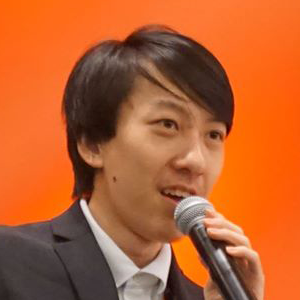
Kwok-Wai Hanson, Anime Trending Editor-in-Chief
Last year, I commented on how Disney may become a new player in the global anime streaming ecosystem. Disney made it clear that it’s ready to join the anime streaming battle and announced that it acquired a few anime series for Disney+ in Japan, including Summer Time Rendering, Black Rock Shooter: Dawn Fall, and the sequel to Tatami Galaxy,titled Tatami Time Machine Blues. It is not clear if the anime series will be available in other regions.
I also mentioned Japanese mobile game Disney: Twisted Wonderland as a potential entry point in anime for Disney. One year after the prediction, the English release is now scheduled for January 20, 2022 in the United States and Canada. It’s very exciting to see Disney take this approach and also greenlight an anime adaptation of the mobile game.
Disney Will Test Its Appetite for Anime
With last years’ prediction in mind along with what Disney has announced so far, 2022 will be a big litmus test for Disney’s appetite for anime and anime-inspired projects. We will likely see whether Disney will lean towards tapping the demand for anime by existing fans or appeal towards families, children, and its existing fanbase. The positive reception of Star Wars: Visions showed that it can strike a balance and satisfy both existing Star Wars fans and anime fans. I expect Disney to continue acquiring more anime series based on manga and light novels titles while continuing to experiment with its existing properties. I suspect we may see anime-inspired animation projects similar to Netflix’s Arcane and DOTA: Dragon’s Blood.
More Original Anime Projects Expected
Towards the end of 2021, we learned that SPY x FAMILY and various other Weekly Shonen Jump series will receive an anime adaptation alongside its ongoing manga publication. Publishers and anime licensors are moving quickly to snag Weekly Shonen Jump titles in hopes of finding the next big hit.
Because of this, I anticipate more original anime projects will be announced in 2022 than in previous years. The positive reception of ODDTAXI, especially with its successful Blu-ray crowdfunding campaign which was available to fans outside of Japan, and other original series like Vivy -Fluorite Eye’s Song- will raise optimism behind potentially risky original anime projects that may not have manga readers and existing fans.
Korean Manhwa and Webcomics to Make Significant Breakthrough in Anime
In 2020, we were blessed with Tower of God, The God of High School, and Noblesse anime adaptations, but 2021 didn’t have any subsequent follow-up featuring Korean manhwa and webcomics. The successful print publications by Yen Press’s Solo Leveling and ABLAZE Publishing’s The Breaker indicates a strong hunger for Korean content in the broader English-speaking audience. Consolidation is already underway with Naver’s WEBTOON acquiring Wattpad and Kakao acquiring both Tapas Media and Radish. Because of the slew of Korean manhwa and webcomics available, I anticipate seeing announcements for Korean content to receive anime adaptations or anime-inspired animations.

John McCallum, Interpret Senior Research Manager
Overall my predictions for 2021 fared well, much to the credit of Interpret’s incredible proprietary datasets. A few call-outs from predictions for 2021.
Pandemic-era viewers from 2020 stuck around in 2021. In the US, viewership went up from 9.6% of the 13-65 population in 2020 to 10.7% in 2021, resulting in 11% growth in viewership year-over-year.
The world began to see anime viewers as a multifaceted, far from monolithic community.
Overall my predictions for 2021 fared well, much to the credit of Interpret’s incredible proprietary datasets. A few call-outs from predictions for 2021.
The world began to see anime viewers as a multifaceted, far from monolithic community.
If interest in Interpret’s Animeasure Segmentation is any indication of the need to know who is watching anime, there is reason to believe that key players in the space have questions about a new and existing viewership that continues to diversify.
Major anime streaming services did not implement family-friendly features like content filters or multiple profiles. HIDIVE had already succeeded in carving out these UI features, but this one was a swing and a miss. While it may have been a mediocre prediction, I stand by it as a data-driven recommendation!
Cashing in on Growth in North America and Europe; Sustaining Growth in LATAM
In 2021, Interpret’s data showed modest-to-large gains in most markets around the world, continuing off the spike of growth that 2020 saw in anime viewership. With such strong growth during the pandemic, 2022 will likely be a year that sees more modest growth or possible contractions in viewership as workforce activity, education and other facets of life return to normal in more heavily vaccinated markets. However, opportunities for revenue growth open as anime fans are able to more effectively engage with their passion, especially at live events.
LATAM may see even further growth in 2022. Interpret data suggests that Brazil has experienced a massive spike in anime viewership, with an over 45% year-over-year increase between the summer of 2020 and the summer of 2021. Healthy growth in this and other markets seem likely to attract sustained attention from streaming services such as Funimation and Crunchyroll which have, in recent years, expanded their presence in LATAM.
E-Readers in Control: Web-based Comics as Source of Anime Inspiration
As the global appetite for anime grows, web manga and overseas comics on platforms such as Webtoon will be a frequent source of inspiration for animated adaptations that are aired and announced in 2022. Disrupting conventional publication and editorial review, the webcomic domain excels at sifting hits out of many submissions from all over the world, much as Japan’s stalwart periodicals (e.g. Shonen Jump) have done via survey for decades. I would not be surprised to see web manga and comics accounting for ten or more series a season released in the late 2022 – early 2023 anime broadcasting cycles.
Like the Look, Love the Feel: Global Production
Anime is known by its distinctive art style, and many non-Japanese media have emulated it closely. But anime is loved for its willingness to tell stories that Western animation historically hasn’t, with a special focus on memorable, lovable characters that keep viewers coming back for more.
Following the breakout success of series such as Arcane and Invincible in 2021, animation studios in the U.S., China and beyond have proof that more mature audiences will engage with adult animation, even beyond the conventional comedy genre. Future titles in this vein will appeal to anime audiences without necessarily adopting a full anime art style.
2022 is likely to usher in new and exciting anime co-production announcements, as well as hype around titles that continue to seek out that anime fan viewership (like Netflix’s Castelvania) without attempting to fully ape the distinctive look of anime itself.
Ultimately, a lot can transpire in 12 months. Many of these predictions could bud into reality before we realize. Do you think that these predictions will come to fruition? Or is there something else entirely you predict for anime?
Leave a comment below with your predictions and we will see whose foresight reigns supreme.
The post Anime & Manga Industry Analysts Give Exclusive 2022 Predictions appeared first on Project Anime.
]]>The post Get Licensing & Rights Information for Adaptation Opportunities from Japan Book Bank appeared first on Project Anime.
]]>The Visual Industry Promotion Organization launched The Japan Book Bank (JBB), the largest Japanese publishing contents catalog in March 2021. This service is Co-Operated by Japan Book Publishers Association (JBPA) and supported by Tohan, one of the main publication distributors in Japan.
The JBB aims to introduce Japanese book titles worldwide for the purpose of translation and visualization and adaptation (animation, film, etc.). As of August 15th, they have 88 publishers with 1,194 titles in 16 genre categories registered in this service. Every title registered in this service aims to introduce overseas copyrights traders, agents, publishers, and motion picture industry officials. The site enables you to find the Japanese publishing contents by its title, author, publishers, issued date, and the ISBN. On each page of the title, you can see the rights information, the abstract, author’s information, bibliographic information, and the interest in adaptation. Once you create your own account, you can check the detailed information on rights availability and find the licensor contact. The service allows you to browse this information all at once at no cost!
For more information, visit Japan Book Bank’s website.
The Japan Book Publishers Association will host a booth at Frankfurt Book Fair from October 20-24, 2021 featuring a Japan Book Bank display with over 400 titles. Find them in Hall 6.0 C129
The post Get Licensing & Rights Information for Adaptation Opportunities from Japan Book Bank appeared first on Project Anime.
]]>The post Data Available from Survey on Anime Conventions and Covid-19 appeared first on Project Anime.
]]>Data analysis is ongoing by the researchers, Maria Alberto (Ph.D. candidate at the University of Utah) and Billy Tringali (Editor-in-Chief of the Journal of Anime and Manga Studies). A preliminary copy of the dataset itself is now available on Dropbox and also through the Hive, the University of Utah’s digital data repository. The following report provides some initial data points that may be of particular interest to con organizers, and the researchers are also completing a longer version that will include all data points.
Download Raw Data:
Important Disclaimer: Due to the researchers’ Institutional Review Board agreement with the University of Utah, the raw qualitative responses to the survey cannot be shared at this time. Because open-ended answers may provide personally identifiable information about the respondents, the raw data released only covers the raw quantitative data from this study to protect the identities of those that participated in this anonymous survey.
Who Answered the Survey
This survey collected 1,191 valid responses from respondents in the US (n 1112) and beyond (n 79). The majority of respondents, 53% (n 636), reported being 25-34 years of age, while 30% (n 361) reported being 18-24 years of age, 13% (n 149) reported being 35-44 years of age, 2% (n 25) reported being 45-54 years of age, 1.4% (n 17) reported being 55-64, and >0.3% (n 3) reported being 65 or above. These respondents reported attending 359 individual cons in 29 countries (primarily the US, Canada, Japan, Ireland, the Philippines, and the UK) and 49 of the 50 US states (all except Wyoming).
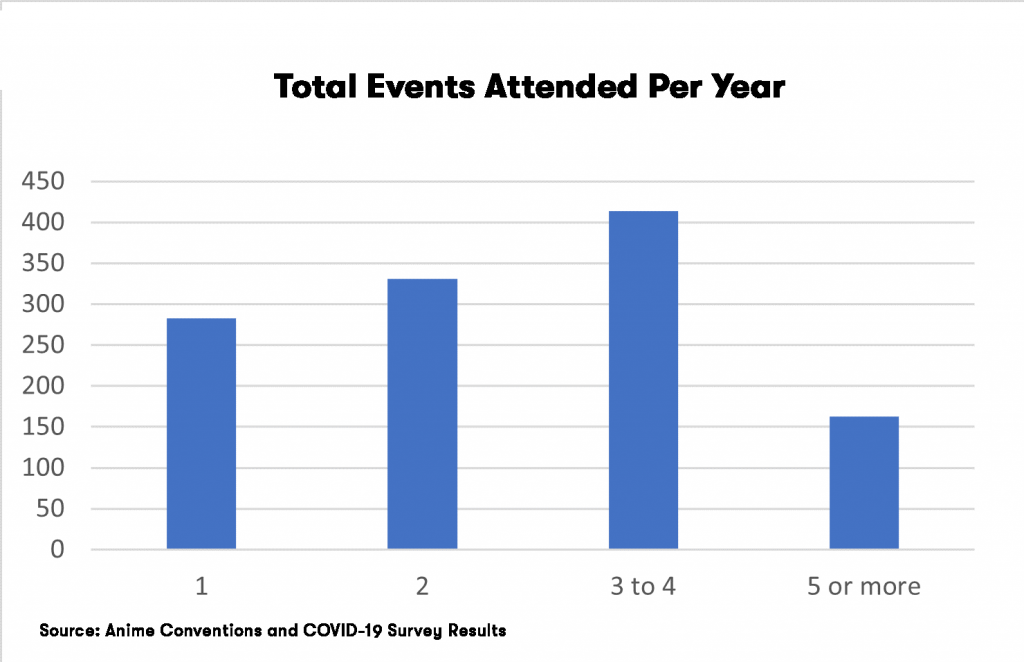
Attending at least 1 con and being 18 years of age or old were the only prerequisites for taking the survey. In terms of attendance, 23% of respondents (n 283) reported that they usually attended 1 con per year, while 28% (n 331) reported usually attending 2 cons per year, 34% (n 414) reported attending 3 or 4 cons a year, and 13% (n 13) reported attending 5 or more cons a year
Many also reported participating in specific roles, such as being con staff (n 129), running their own booths or events (n 127), or delivering talks on con panels (n 147).
Outlook on Attending Con Events
When asked about their outlook on returning to cons following the worst of the Covid-19 pandemic, most respondents were positive and excited. 62% (n 738) selected “I’m looking forward to attending conventions again” as their response, with 34% (n 413) reporting that “I’m conflicted – I am both looking forward to and worried about attending conventions again after COVID-19” and just 2% (n 26) reporting that “I’m not sure how I feel about attending conventions again after COVID-19.” In addition, 69% of respondents reported that the lack of cons in 2020-early 2021 affected their social lives to some degree: 34% of respondents (n 408) reported that the absence affected them “somewhat,” while a full 35% of respondents (n 418) said that this affected them “noticeably.”
It also seems that virtual cons did not completely fill this deficit. 63% of respondents (n 756) reported that they did not attend virtual cons during Covid-19, while fully 87% (n 1032) reported they did not attend in-person cons. Meanwhile, only 23% (n 233) of respondents reported trying to recreate the anime con experience through cosplaying outside of cons or attending virtual gatherings that weren’t either cons or con-organized. In addition, 77% (n 958) indicated that they did not attempt to recreate the con experience in other ways.
From the fact that many noted the absence of cons on the one hand, and then the way that the vast majority did not attend online cons or attempt to recreate this experience on the other, the researchers extrapolate that the majority of those who usually attend cons encountered significant difficulties or obstacles to recreating similar events virtually and/or on an individual basis. This seems particularly significant given how many participants reported being affected by the dearth of in-person cons.
Feedback on Event Safety Measures in the Future
Looking forward to cons reopening in late 2021 and on into 2022, respondents also had the opportunity to provide their thoughts on this reopening process. The survey offered an option for no concerns, a selection of 3 specific safety measures (sanitation requirements, limited attendance, mask requirements), and “Other,” a free space in which respondents had the option to describe any additional safety measures they hoped to see. The survey also enabled the selection of as many choices as respondents liked. Following these options, 81% of respondents (n 969) reported their support for some form of safety measures, and 62% (n 748) indicated interest in a combination of two or more safety measures. More specifically:
- 70% (n 842) indicated interest in accessible sanitation measures and sanitation requirements
- 53% (n 631) indicated interest in mask requirements
- 43% (n 511) indicated interest in limited attendance, i.e. smaller crowds
- 19% (n 237) selected “Other” and used this space to describe a range of preferences, including control/reduction of lines, face masks coming with badges/passes, enforcement of mask mandates, and vaccination requirements, among others
On this portion of the survey, only 18% (n 222) of respondents selected the option indicating that they preferred no safety measures. Then among this number, an even smaller but sometimes very vocal group used the “Other” space and other freeform answers across the survey to voice concerns and outright anger about vaccine requirements.
Having seen this, the researchers recommend awareness that, while pushback against safety precautions may be vocal, it seems to constitute a fairly small percentage of the total number of those seeking to attend cons as they reopen.
Thoughts on Future Directions
As work on this dataset continues, an expanded version of this report will begin quantifying respondents’ freeform responses and looking at how respondents described other activities, such as attending con events, cosplaying, attending panels, etc.
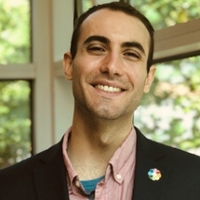
Billy Tringali (@BillyTringali) is the founder and editor-in-chief of JAMS: The Journal of Anime and Manga Studies (@OpenAccessAnime), the only open-access journal solely dedicated to publishing high-quality academic works regarding anime, manga, cosplay, and their fandoms. The journal’s first published volume is available at go.Illinois.edu/anime. Billy earned his MLIS from the University of Illinois at Urbana-Champaign and currently works as the Law Librarian for Outreach at Emory University School of Law.

Maria Alberto (@MariaKAlberto) is a PhD candidate at the University of Utah, where her work focuses on fans and their engagement with media texts, particularly pop culture ones. She has presented parts of her research at Akon and Fan Expo Denver, and she is also a manuscript reviewer for The Journal of Anime and Manga Studies. She earned her MA from Cleveland State University.
The post Data Available from Survey on Anime Conventions and Covid-19 appeared first on Project Anime.
]]>The post 5 Survey-Creation Tips from Anime Academics appeared first on Project Anime.
]]>There’s an art to surveys, though: we’ve all seen versions that we wouldn’t take unless we were being paid to, right? In fact, as the researchers behind the Survey of Anime Convention Attendance in Response to Covid-19, we went through our survey exhaustively to try and create something that people would remain interested in and excited to take.
And it’s seemed to work so far. Asking anime con-goers what they want to see from their favorite cons after a year – and in some cases, two! – away has netted us some fascinating insights about cosplay events and more.
While designing our own survey, we certainly looked to resources like industry leader SurveyMonkey’s 10 Best Practices For Creating Effective Surveys, but at the same time, they’re already experts. So what can people who *don’t* make surveys for a living do?
If you’re thinking of creating a survey for your own con-goers, here are some tips we’d recommend:
1. Have a goal in mind for the survey
In other words, what do you want to achieve with this? Do you just want to see how many attendees enjoyed your con, or do you want to know what they expect from a future event? Keep in mind what you want to know or understand better by sending people this survey, and that will help you figure out what kinds of questions to ask, too.
2. Have a plan for your survey results
Before your survey even goes out, make sure you know what you’ll do with what you find! Make sure you discuss who is in charge of storing data, where it will be stored, and who is the contact person who can answer questions about it.
3. Design your survey to accommodate the people taking it
Or, in other words, make your survey easy for people to take no matter how they’re coming to it. Is your survey accessible for respondents with visual impairments? Is it responsive on mobile devices like phones and tablets? Can your questions be answered using a keyboard *or* a touchscreen?
4. Create clear, straightforward questions
Are questions easy to understand? Just as important, are they hard to misinterpret? Does the survey use skip/display logic (i.e., questions that move people to a new survey page when they answer a question in certain ways) to make sure respondents are only seeing relevant questions?
5. Test your survey early and often
Your survey might seem intuitive to you when you’re creating it, but make sure that you try it out too, just to check! That way, you can catch missing links, navigation issues, and more, before you actually send it out to participants who will report back on those same issues. (Pew Research Center offers more tips on survey design, too!)
Ready to get started on your own survey? Here are some additional reads we’d recommend on survey methods and also on how to create a survey from scratch!
Billy Tringali (@BillyTringali) is the founder and editor-in-chief of JAMS: The Journal of Anime and Manga Studies (@OpenAccessAnime), the only open-access journal solely dedicated to publishing high-quality academic works regarding anime, manga, cosplay, and their fandoms. The journal’s first published volume is available at go.Illinois.edu/anime. Billy earned his MLIS from the University of Illinois at Urbana-Champaign and currently works as the Law Librarian for Outreach at Emory University School of Law.
Maria Alberto (@MariaKAlberto) is a PhD candidate at the University of Utah, where her work focuses on fans and their engagement with media texts, particularly pop culture ones. She has presented parts of her research at Akon and Fan Expo Denver, and she is also a manuscript reviewer for The Journal of Anime and Manga Studies. She earned her MA from Cleveland State University.
The post 5 Survey-Creation Tips from Anime Academics appeared first on Project Anime.
]]>The post Contributor Guidelines appeared first on Project Anime.
]]>Project Anime accepts pitches from potential contributors and looks for diverse perspectives to comment on different topics.
Being a Contributor
Project Anime covers topics related to the business of anime, manga, games, Japanese pop culture, and pop culture events. We publish articles of many lengths and styles including, but not limited to, white papers, case studies, and op-eds. Project Anime does not publish reviews or commentary related to animation style, writing, or other artistic merits.
What We Look For:
- Expertise: You don’t have to be well-known, but you must know about the subject that you’re writing about.
- Evidence: You may know your subject well, but you’ll have to prove it to the reader too. It helps to refer to supporting research or describe relevant examples. If you have interesting data to share, please let us know.
- Originality: We want to share your unique insights.
- Usefulness: Project Anime readers come to us to stay informed about the Japanese pop culture and events industry, as well as look for ways to grow and develop their organizations. Providing a point of view that a reader can apply to a real situation is of particular interest to Project Anime readers.
- Writing that’s interesting to read: Project Anime readers are smart and busy. You’ll need to capture their interest right away and keep them engaged throughout your article.
General Guidelines:
- Contributors are expected to write in a professional manner with no major grammar or spelling errors.
- All facts and sources must be cited appropriately from reputable sources.
- Any relevant affiliations or potential professional conflicts of interest must be disclosed prior to submission.
- Project Anime can provide images to complement your article submission as needed.
- If your pitch is approved, our editorial team will provide feedback on your piece as needed.
Once an article is published, Project Anime reserves the right to keep the article publicly available for as long as it sees fit. The contributor retains the rights to link back to the piece and may republish the article to other websites after it goes live on Project Anime.
How to Submit
Please send your pitch to projectanime@spja.org. In your email, tell us a little about yourself, what you want to write about, and include some relevant writing samples. Please do not send us any completed articles to re-publish on our website.
All submissions will be reviewed by the Project Anime team and provided with feedback. This process may take up to 2 weeks. If your submission is not accepted, we will provide feedback and potentially a recommendation for a different pitch.
Being a Commentator
From time to time, Project Anime’s editorial team develops articles that may require commentary from a variety of sources. If you would like to be considered in the future, please see below for information:
Examples of Content that We Seek Commentators For:
- Debate-style articles that show different perspectives on recent news or other topics
- Insights on industry trends (ex. Anime & Manga Industry Analysts Share Their 2021 Predictions)
What We Look for in Commentators:
- Professional experience in the pop culture or event industry
- Non-anime subject-matter experts who are fans of Japanese pop culture
Interested? Please send an email to projectanime@spja.org with the following information:
- Your professional experience (What do you specialize in? Feel free to send your LinkedIn profile.)
- Your personal interests (What genres do you like? Any notable hobbies?)
- Why you want to be a commentator for Project Anime
The post Contributor Guidelines appeared first on Project Anime.
]]>The post Researchers Launch Survey to Gain Insight on Anime Conventions and COVID appeared first on Project Anime.
]]>Convention organizers across the United States and around the world are asking themselves these questions, but the flip side is equally important: how will attendees respond? Con-goers’ interest can make or break an event, so understanding what they want, need, and miss from cons may help ease the transition back to in-person conventions.
To help open this conversation, researchers Billy Tringali and Maria Alberto are running a survey focused on asking these questions of con-goers themselves. Why do we attend anime cons? What do we enjoy most about them? What has it been like to miss them, and is it exciting to have them back? And now that con comebacks are on the horizon for late 2021 and 2022, what are attendees thinking and expecting of anime cons, post-pandemic?
The survey is available here. Please share the survey with your connections and attendees, so that Billy and Maria can gain as much useful data as possible!
What We Ask
“A Survey of Anime Convention Attendance in Response to Covid-19” is a voluntary, completely anonymous survey that takes about 10-30 minutes to complete, depending on how much detail a participant chooses to provide in optional sections.
Participants will be asked where they attend anime cons, which ones they attend, and whether they have observed the widespread cancellation of cons in 2020-2021 having noticeable effects on their own lives. Participants can also provide more detail about their experience with cosplaying, attending virtual cons, and returning to in-person cons as vaccinations increase and travel restrictions ease.
Why We Ask
There’s been a lot of buzz about the unprecedented effects of Covid-19, even in mainstream media. This survey seeks to collect event attendees’ experience of those same effects.
Erik Jansen and Kuo-Yu Liang wonder if it’s time to start taking at least parts of cons online for good. What do con-goers think of this expansion, and how might it affect in-person practices such as cosplay, artists’ alleys, competitions, and more?
Elsewhere, Roland Kelts interviews several con organizers about the fallout of anime cons being cancelled in person and the challenges of moving events online. From the other side, how have con-goers experienced such changes, and what do they think of them? Is there anything about virtual cons that they want continued, or anything about in-person cons they’d like to see changed now that they’ve experienced an alternative?
Audrey Cleo Yap focuses on cosplayers specifically, asking what cosplay is like in a moment of limited social interaction and in-person gatherings. How do cosplayers experience these challenges? How has Covid-19 impacted cosplaying? And by extension, how is cosplay tied up with anime cons specifically?
Without knowing what con-goers expect and hope for in these areas, it may be difficult to meet either individual or collective expectations moving forward.
What Happens Next
The survey will be available through September 2021, kept open while these questions are fresh on people’s minds, particularly as many cons begin to reopen this fall. It is open to anyone over the age of 18 who attends anime cons in any capacity.
After the survey has been closed, the researchers will provide preliminary analysis and then make the raw dataset available to researchers, event organizers, and anyone else interested through a public repository.
A convenient copy-paste message is provided on the final page of the survey, so that participants can share it with their own networks quicky and easily. Please share the survey with your connections and attendees, so that Billy and Maria can gain as much useful data as possible!
Billy Tringali (@BillyTringali) is the founder and editor-in-chief of JAMS: The Journal of Anime and Manga Studies (@OpenAccessAnime), the only open-access journal solely dedicated to publishing high-quality academic works regarding anime, manga, cosplay, and their fandoms. The journal’s first published volume is available at go.Illinois.edu/anime. Billy earned his MLIS from the University of Illinois at Urbana-Champaign and currently works as the Law Librarian for Outreach at Emory University School of Law.
Maria Alberto (@MariaKAlberto) is a PhD candidate at the University of Utah, where her work focuses on fans and their engagement with media texts, particularly pop culture ones. She has presented parts of her research at Akon and Fan Expo Denver, and she is also a manuscript reviewer for The Journal of Anime and Manga Studies. She earned her MA from Cleveland State University.
The post Researchers Launch Survey to Gain Insight on Anime Conventions and COVID appeared first on Project Anime.
]]>The post The Future of Pop Culture Conventions After Covid [Op-Ed] appeared first on Project Anime.
]]>By Erik Jansen, President, MediaLab Public Relations & Kuo-Yu Liang, Founder, Ku Worldwide
As 2021 unfolds, the long-awaited arrival of effective COVID vaccines will finally begin to return the world back to ‘normalcy’.
Across the vast North American pop culture space, consumer brands, convention organizers and event promoters look forward to the re-awakening of the prolific convention and trade show scene. A reality, however, is emerging: 2021, or, at least, the first half and, likely, longer, will remain status quo. The re-emergence of live events will be competitive and turbulent as sectors of society and commerce attempt to re-engage and re-vitalize on different tracks and phases.
As the process unfolds, it may be instinctual, or simply convenient, for brands and event organizers to return to the pre-pandemic way of staging and promoting events. But the landscape has changed dramatically.
Technology will continue to offer new ways to connect people. Moving forward, conventions can look to incorporate online (so-called “virtual”) components to build brand visibility and deliver programming to a global audience. From now on, every con can be a global event.
What does this mean?
Every con has the potential to reach a global audience with content on the internet and remove the physical barriers of travel and capacity restrictions that cause a sold-out event.
But to take an event global, there are some important factors to consider including:
- Is the convention content truly global?
- Is the convention really marketing content globally?
- Is content being made globally accessible with language and time zone considerations?
- Is there a global ecommerce and shipping configuration to complement the content?
- Would convention content be restricted in any markets?
Already operating in a highly competitive space, conventions must reengage fans, exhibitors, and sponsors, both online and on-site, and in ways that deliver a new level of personal experience, value, and ROI.
How can conventions differentiate themselves from one another?
In three main ways: 1) exclusive and/or first to market content, 2) cons may feature similar IP but present it in a new way that has not been done before and, 3) by offering competitive pricing.
Brands and exhibitors must also leverage PR and social media in ways that are equally personal, authentic, and scalable for in-person and online con goers.
How do the content and brand partners choose which events to work with if they are all going “global?”
Conventions and brands need to consider:
- The overall level of content and how is it presented
- Brand / exhibitor and convention marketing efforts and how they synergize with each other
- The strength of the fan community
- The overall online user experience with the platform
Virtual technology has demonstrated intriguing capabilities and opportunities to personalize and deliver an intimate, more focused convention experience that can work in tandem with and complement live counterparts. More important, streaming technology offers more enticing ways to break time and distance barriers and deliver value-added content to fans. Virtual versions of Comic-Con, SxSW, Anime Expo, and CES, as well as branded events by DC and Crunchyroll, engaged millions and, will again, this year.
When conventions and live shows return, this online infrastructure will continue to be a critical complement. Now is the time to focus and rethink on ways to improve the fan experience and add value to this burgeoning channel.
Those who cannot attend a con due to geography, time, health, distance, added travel expenses etc. will participate and pay a premium for exclusive or personalized content. The online component also helps cons boost brand equity, expand show attendance, and develop an additional digital revenue / ad stream that can become perennial.
Some factors to consider:
- The online experience will never be an equal substitute for the live version. However, the convergence of digital programming, online delivery platforms and ecommerce – combined with a massive fanbase for pop culture – makes the climate ideal to introduce a new era of “virtual cons” that can operate as a compelling companion to a live event, or, as a stand-alone. Livestreaming features will be fused into the con experience for those at home to access exclusive content – a key draw for convention attendance.
- People already have rich online interactions. There are significant opportunities for con organizers, brand exhibitors, and guests to utilize existing platforms like Twitch and YouTube, to engage attendees in more impactful ways during a tentpole event. Some may choose to build proprietary platforms, like DC’s FanDome. Perhaps, a new open platform, specifically for the online convention experience will be on the horizon.
- Technology continues to offer innovative new ways to connect and touch people. Moving forward, conventions can look to incorporate online these virtual components to build brand visibility and bring programming to a global audience. Like their pro sports and live concert counterparts, conventions will always attract millions of attendees annually to real time on-site events.
- Content that normally would be locked within a concrete convention center is now accessible to the world. To do so in a way that can be monetized, increase production value, enhance the level of exclusivity, personalization is paramount. Con organizers, exhibitors and creators must still deliver all of the programming fans expect – panels, trailers, premieres, Q&A sessions, meet-and-greets, concerts, cosplay shows – but in ways that are also increasingly personal. By next year, a fan may attend a convention in person for two days and then, interact with the remainder of the show from home (with sore feet) enjoying a few online personalized meet-and-greets with guests along with some panels and additional exclusive programming and panels included in his “virtual” pass.
- Ecommerce is already a big part of conventions, but as online programming and delivery models continue to evolve, there could be a significantly bigger audience for exhibitors’ products and con exclusives, often unobtainable to fans that do not attend the show, unless they pay a hefty premium on secondary markets.
- Virtual cons offer the opportunity for the brands, con organizers, and creators to deliver unique products that one cannot find anywhere else and discover a global range of new-found “attendees.” 3rd party e-commerce platforms such as Shopify can provide an easily integrated platform to facilitate commerce for cons and exhibitors.
- For smaller conventions, these opportunities are also within reach. Smaller conventions might seek to collaborate and form alliances to promote common interests and each other’s events by harnessing resources and personnel and utilizing a centralized entity (or agency) to manage overall sales and promotional opportunities. For exhibitors, this collaboration could be a boon with a centralized contact for multiple shows.
The opportunity to reap rewards, adapt to, embrace evolving technology,and deliver an exciting, fan experience is truly compelling. Now is the time to innovate, to build something new and enduring. In the immortal words of the “father of modern business management,” Peter Drucker, conventions must “innovate or die.”
About the Authors
Erik Jansen is an entrepreneur and Marketing executive with more than 20 years of experience representing a variety of technology and entertainment brands via his firm, MediaLab Public Relations. He has marketed and managed convention participation, live events, and media coverage for international clients at major pop culture and trade events such as NAB, IBC, CES, E3, Toy Fair, Anime Expo, Comic-Con, and NY Comic Con. MediaLab has represented iconic Japanese pop culture brands such as VIZ Media, Yen Press, Bandai, New People, and J-Pop/J-Rock music acts for Sony Music Japan, Epic Records, JVC/Victor, Crypton Future Media, and AsobiSystem. MediaLab was also the executive media producer and PR manager for the J-Pop Summit Festival.
Kuo-Yu Liang is the former VP of International Sales & Business Development for Diamond Book Distributors, where he built a new business division to distribute books, collectibles, comics, games, GNs and manga to bookstores, ecommerce, libraries, and schools. Kuo-Yu also served as the Global Director of Business Development for ReedPop where he worked with a portfolio of events including BookExpo, Comic Con Africa, MCM, PAX West, Emerald City Comic Con. And Singapore Comic Con. At ReedPop he also served as Global Director of Sales and working with a wide portfolio of websites including Dicebreaker, Euogamer, Nintendo Life and Rock Paper Shotgun. In 2021 he launched his own pop culture brand and business development firm, Ku Worldwide. Kuo-Yu LIang also sits on the board of directors for the Book Industry Charitable (Binc) Foundation.
The post The Future of Pop Culture Conventions After Covid [Op-Ed] appeared first on Project Anime.
]]>The post Anime & Manga Industry Analysts Share Their 2021 Predictions appeared first on Project Anime.
]]>While no one knows for sure what to expect in the next 12 months, we’ve assembled a panel of industry analysts and experts to provide their forecasts for the year ahead.
Below you’ll find predictions from Anime News Network CEO & Publisher Christopher Macdonald, NPD Books’ Executive Director of Business Development Kristen McLean, Journalist & Scholar Roland Kelts, AnimeTrending.com Editor-in-Chief Kwok-Wai Hanson, and Interpret Research Manager John McCallum.

Christopher Macdonald, Anime News Network
The Future of Sony’s “Fourth Pillar” of Anime
This is probably one of the biggest questions in the anime industry network. I don’t expect any consolidation of the Funimation, Crunchyroll, or Aniplex brands. I expect the three companies to continue to exist independently, but I expect Funimation and Crunchyroll to work very closely behind the scenes. Whether Aniplex will be as involved remains to be seen.
What’s Next for Netflix and Crunchyroll Originals
Netflix has been very successful with it’s “originals” and will continue to make more pretty much in the same vein as they are now. I also expect more “originals” to be made outside of Japan with a similar look and feel to anime. Crunchyroll on the other hand hasn’t been nearly as successful with its originals, but seeing Netflix’s success I think will motivate them to want to continue. What remains to be seen is if Funimation and Sony will allow it, and if they do, will Crunchyroll learn from its past failures. Also, will they work closely with Aniplex and their in-house studios?
Live-Action Adaptations to Continue
Live-action adaptations took on a life of their own in Japan years ago, they aren’t seen as being secondary to anime in any way. Thanks to Netflix, this is becoming the case overseas as well. I don’t expect any big change in 2021, just continued growth of the sector.

Kristen McLean, NPD Books/NPD BookScan
U.S. Manga Sales Will Continue Their Double-Digit Growth Trend in 2021
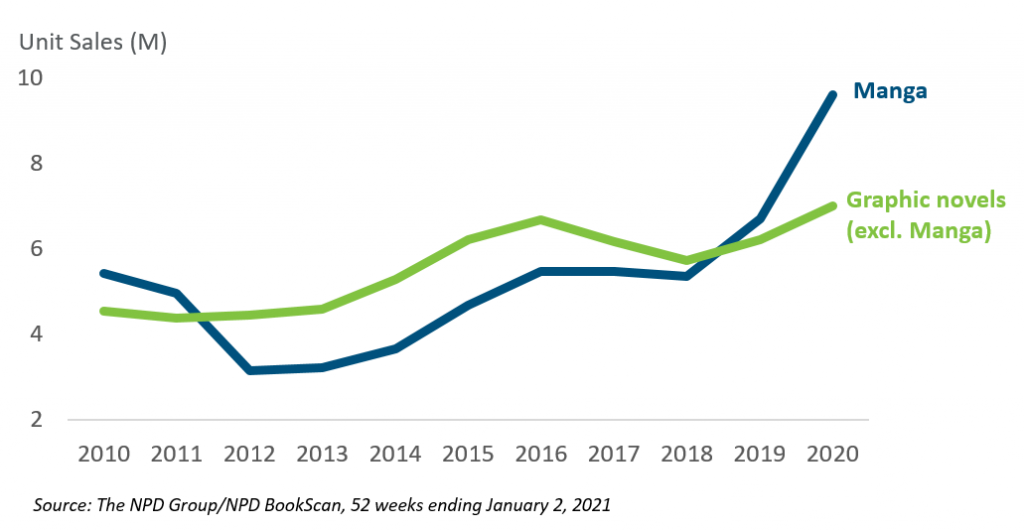
Last year Manga was the largest graphic novel category in the traditional U.S. trade channel, growing nearly 43% in 2020, 1.5X faster than total graphic novels, and contributing to 3/4 of adult graphic novel gains for the year. This meteoric growth will continue in 2021, as the pandemic continues to juice SVOD streaming, and new fans continue to discover a wide range of anime series on platforms like Hulu, Netflix, and Crunchyroll, and then buy the corresponding Manga.

Roland Kelts, Journalist & Scholar
Fan Phenom: VTubers (Virtual Anime YouTubers) Take Off
VTubers, anime avatar performers on YouTube, exploded in 2020. With anime fans stuck at home during the pandemic, the phenomenon took on fiscal heights, dominating Super Chat’s top 10 in donation dollars. Anime VTubing is now catching fire globally, and I can’t wait to see how it evolves. Leading Japanese VTuber Kizuna Ai’s videos are now all subtitled in English, and the first major American VTuber producer, VShojo, launches this year. 2021 will be another string of canceled cons and postponed idol events. Expect more VTubers to flourish.
Streaming Anime Comes of Age
It’s a surprise to no one and no longer even a story: anime is now a cornerstone of global streaming media platforms. With Netflix, Amazon, Hulu, YouTube, and HBO Max pressing more skin into the anime game, and Sony the proud owner of Aniplex, Crunchyroll, and Funimation, there’s almost no room for consolidation—but there’s acres of space for competition. I expect greater rollouts and awareness of two new categories: “anime-inspired” co-productions, with bigger budgets, more CG graphics, and global creators, and straight-ahead “anime”, made for pennies right here in Japan.
2D Dynamism
2021 will see the US releases of box office franchises “Demon Slayer” and “Evangelion: 3.0+1.0 Thrice Upon a Time,” both of which blend high-octane CG graphics with 2D imagery into action-packed epics. But it will be interesting to see where the 2D anime model lands on quieter footing with an anime feature that is both old-skool and weirdly prophetic: “On-Gaku: Our Sound.” My friend Matt Schley, a terrific journalist, turned me on to this film, which will be released in the US this spring by GKids. It’s a marvel of quiet daily-life storytelling, with iceberg emotional cues conveyed in simple, hand-drawn eloquence. It’s a heartbreaking wondrous anime, the kind that could be made only in Japan. I’ve also just seen “Poupelle of Chimney Town,” the latest epic from Studio 4°C from the picture book by multi-talented comedian Akihiro Nishino. This film will blow you away. Stunning.
Kwok-Wai Hanson, Anime Trending
Anime Streaming War Goes Global with a New Possible Player
The streaming war on a region-by-region level will likely end after Crunchyroll is acquired by Funimation Global Group, a joint venture between Sony Pictures Entertainment and Aniplex. With Netflix announcing at least 16 anime titles set for 2021, the fight for more anime and titles will intensify and go global. Disney is most likely the newest player to enter the global streaming war and may acquire anime for its streaming platform Disney+. Disney has already signaled an interest with 10 animated Star Wars films by Japanese anime creators set for 2021. The details behind how involved anime creators are vague at this time. But I expect Disney to be involved, possibly acquiring full TV anime series or adapting their own property into anime series, following the success of Netflix original anime series.
Disney is also no stranger to anime and has an established track record with Studio Ghibli films. Walt Disney Japan has active relationships with various Japanese companies, including Aniplex. Additionally, Walt Disney Japan and Aniplex launched a new mobile game called Twisted Wonderland, which depicts multiple villains and groups from the Disney franchise in a visual novel style. The game is currently available in Japan but bolsters over 1.5 million users. I anticipate it could be a jumping-off point for Disney to dive deeper into the anime ecosystem.
John McCallum, Interpret
Anime Production Will Go on Despite the State of Emergency
The Summer 2020 anime season saw an almost unprecedented production downturn, with only 25 new anime series premiering. In an industry accustomed to debuting upwards of 50 new series per season (a rate of production that makes anime highly desirable to content-hungry streaming services), the anime industry (like the rest of us) appeared to be unprepared for a global pandemic.
Many anticipate the continued stalling of production following the most recent state of emergency in Japan, but evidence suggests that the often-conservative anime industry has modernized its approach to allow for a more flexible response. If production sustained at pre-pandemic levels for the next season or two, I would be impressed. But even with emergency restrictions in place, I expect these new, modern methods – which allow for a greater share of production to be undertaken remotely – will result in upwards of 30-40 new series debuting per season throughout 2021 while the state of emergency persists.
Anime Proves a Hard Habit to Kick
Interpret has seen as much as a 50% year-over-year increase in anime viewership in 2020. This may be bolstered by broader pandemic viewing trends, but this growth has the potential to transform casual viewers into devotees. I expect anime viewership to continue to grow in 2021, rather than recede to previous levels, due to greater exposure during the pandemic and its aftereffects. However, higher viewership per series may not translate into higher industry revenues due to COVID-related production delays resulting in a reduced volume of new content.
If live-action productions are stalled by COVID restrictions, these anime gains could prove quite sticky. As fewer live-action series queue up for production, anime may continue to fill the void and meet unmet demand. This factor could further boost the production estimate above, simply based on funding and priority.
Anime Fans Will Be Seen as a Market, Not Just a Single Segment
For much of anime fandom’s history, anime fans have been imagined as a monolithic, minimally differentiated, niche segment within the larger entertainment market. The dedicated viewer seeking new series might be drawn to the trafficking of bootleg VHS tapes at fan cons, or (more recently) to niche anime-only streaming services. As these narrow forms of consumption held, fans remained somewhat homogenous in their identities and viewing preferences.
With anime now increasingly mainstream (and becoming more so in 2021), the major players, non-endemic partners, and anyone looking to cater to this market will increasingly speak to segments within the anime fandom, rather than “anime fans” at large. This reality will be reinforced by the influx of more casual pandemic-era viewers that Interpret has identified in its segmentation of the anime market.
U.S. Streamers Lean Into the Female Market
With nearly half of anime fans in most markets identifying as female, it is high time for the U.S. to catch up. 2021 will be the year that sees streaming services message more aggressively to the one-third of all U.S. anime fans who identify as female. This underserved segment represents a key opportunity for differentiation in the competitive anime streaming landscape.
Family-Friendly Features Finally Come to Anime Streaming
When logging into Amazon Prime or HBO Max, people are greeted by two user pathways— that of the adult audience member or a family-friendly experience. As adult users, my wife and I can watch the same show on separate profiles at our own pace. But as new parents, we are reassured to know that we can restrict the menu once our little one begins to wield the remote. Anime-only streaming services lag behind in the implementation of these family-friendly features (shout-out to HIDIVE for being ahead of the curve).
Interpret’s research indicates that parents occupy key segments in the anime market, and it seems unlikely that user options will remain undifferentiated as these segments grow. This is especially true now that major streaming players like Funimation and Crunchyroll are no longer competing with each other, but with broader streaming services that have these features by default. An increasingly mainstream anime fandom will expect the user experience on these platforms to mirror that of larger competitors in terms of quality and ease of use—not only for the grownups but for all members of the household.
Less Anime-related M&A in 2021
Hard to believe, but it was only a few years ago that we remarked upon how frustratingly fragmented the anime streaming market was! Not so in 2021. As of last year, Sony has joined the two leading US anime streaming services – Funimation (in 2017 valued at $150m) and Crunchyroll (in 2020 valued at $1.2b) – under one roof, in addition to French Wakanim (in 2015) and Australian Madman Anime (in 2018). This is all on top of Sony’s own Aniplex. Safe to say, 2021 will see less M&A activity.
Sentai (and its streaming platform, HIDIVE) might seem like a likely target for M&A, but the Houston-based anime company seems to value its “independent status [which] which makes it a rarity in North America”. And with recent investments upwards of $30 million from the Cool Japan Fund, it has the means of maintaining this independence for some time even in this highly competitive niche market.
Sony’s stable of anime streaming services puts them in a position to not only compete with other niche anime licensers, but with streaming heavyweights like Netflix, Hulu, and Amazon Prime that also compete for anime licensing rights.
Familiar Faces Drive Streaming
Reboot and remake-related announcements will continue in 2021. With returns to Bleach and Shaman King already in the pipeline, safe-bets and a pandemic-driven desire for the familiar will further fuel the fires of nostalgia. This retrospective turn promises immediate payoff as well as renewed engagement with the back catalog — no small thing in the anime space. Newly-minted fans may find themselves tumbling down a rabbit hole hundreds of episodes long, translating to hours of engagement.
In the age of the binge-watcher, a sequel or reboot of the original may prompt fans to seek out a particular streaming service just to see what they’ve missed, reaffirming the appeal of IPs with seasons to spare.
The post Anime & Manga Industry Analysts Share Their 2021 Predictions appeared first on Project Anime.
]]>The post An Intro to Influencer Marketing with Tasty Design Studio appeared first on Project Anime.
]]>Extending Your Reach with Influencer Marketing
Influencer marketing has skyrocketed in popularity in recent years, a marketing tactic comprised of both the persuasiveness of celebrity endorsement with the organic feel of social media. But what exactly goes into an influencer partnership, and how can it be optimized to extend into new audiences? Joanna Metoki (Tasty Design Studio) and Crisalys (artist/influencer) will share about identifying effective influencers, setting partnership expectations, and executing appealing campaigns.
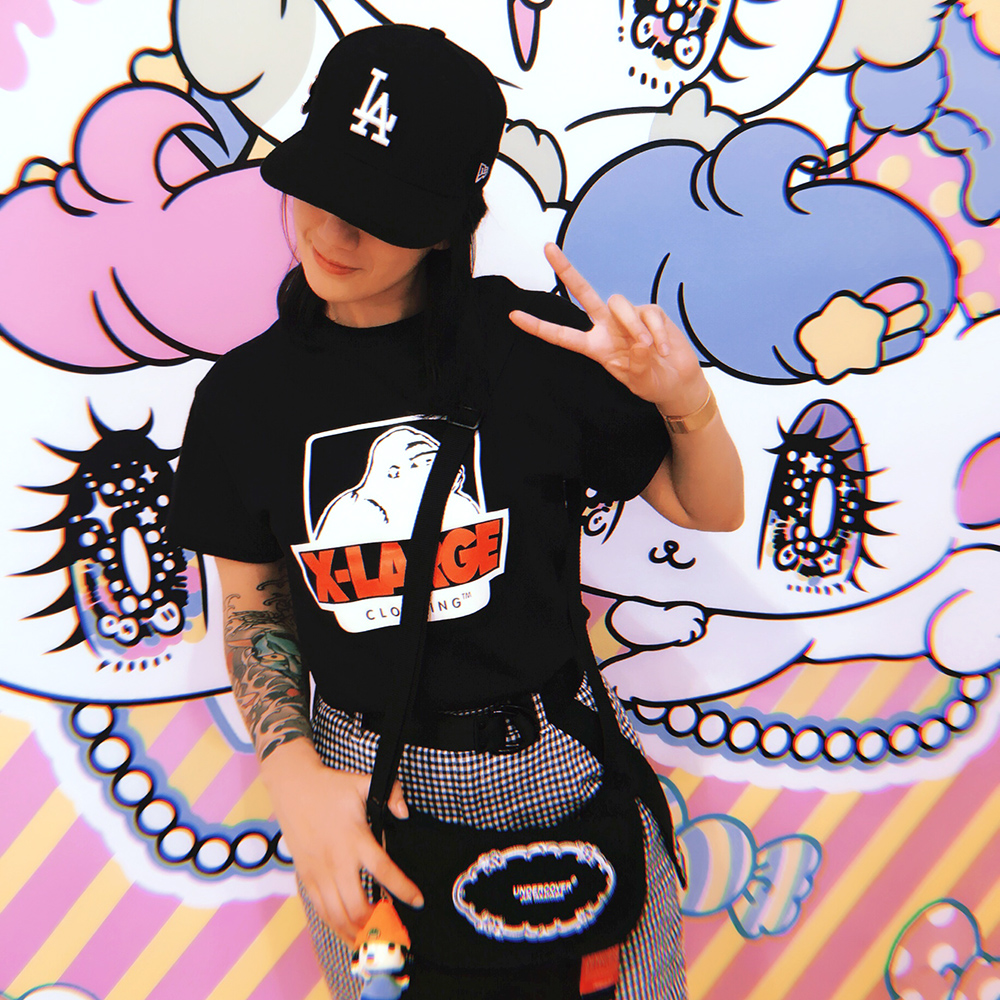
About Crisalys
Crisalys is an illustrator born and raised in Chile who started the conception of her work as an escape mechanism to the monotonous daily rural life, taking multicultural popular elements from our current globalized era, which collide in her work, highlighting from this the multiple references to the sneakerhead world, the arcades she used to visit in her childhood and the small details she encountered in the work of Mangakas and animators. Crisalys devotes most of her time to personal projects, some of her past clients include Nike, Adidas, Cartoon Network, Bandai Namco and Shueisha.

About Joanna Metoki
Joanna Metoki is a second-generation (Nisei) Japanese-American and a proud Los Angeles native with deep roots in the Little Tokyo community in downtown L.A. Being a bilingual English and Japanese speaker, she was determined from a very young age to utilize her linguistic skills to help build a bridge between the U.S. and Japan. After living in Japan as an English teacher, she decided to take her experiences to contribute to the growth and development of the Japanese community in the U.S. She combined her skills as an educator with her passion for Japanese pop-culture to begin her work as a marketer in the anime industry. As a member of this flourishing industry, she not only lent her skills as a dedicated marketer but also worked with the community members to manage and host engaging events that succeeded in connecting the fans to the members of the industry. In 2017, she founded her event marketing agency Tasty Design Studio where she designs and manages custom experiences that bring the fans and the brands they love closer together. In 2020, Tasty Design Studio established the GLOW UPS ONLY initiative to inspire and empower womxn of the pop culture entertainment industry by helping them align their professional goals to their life’s purpose.
Project Anime: Global 2020 will take place virtually on November 17-18 and can be attended from anywhere in the world. With a theme of “Evolving with the Events Industry,” the conference will feature two uniquely-curated programming tracks, one geared towards event organizers and another aimed at industry professionals. As the landscape of the industry changes rapidly in response to current events, events and businesses have been compelled to adapt accordingly. This has given rise to new uncharted ventures and opportunities, including virtual/hybrid events and unique digital engagement. Learn more about speakers & panel information by visiting the Project Anime: Global 2020 page.
The post An Intro to Influencer Marketing with Tasty Design Studio appeared first on Project Anime.
]]>The post Stephanie Guzzardo (Influencer Marketing Manager, Twitch) Joins Project Anime: Global 2020 appeared first on Project Anime.
]]>From Stage to Screen – Capturing the Cosplay Contest Experience
As organizers begin to explore the realm of virtual events, they’ve also been challenged to find a way to virtually preserve the cosplay masquerade contest experience. Charlene Ingram from Crunchyroll Hime’s Cosplay Cup, Stephanie Guzzardo, Influencer Marketing Manager at Twitch, and cosplayer and coordinator Kirilee will share the effective formats and management for a virtual masquerade and the logistics needed to make it a success.
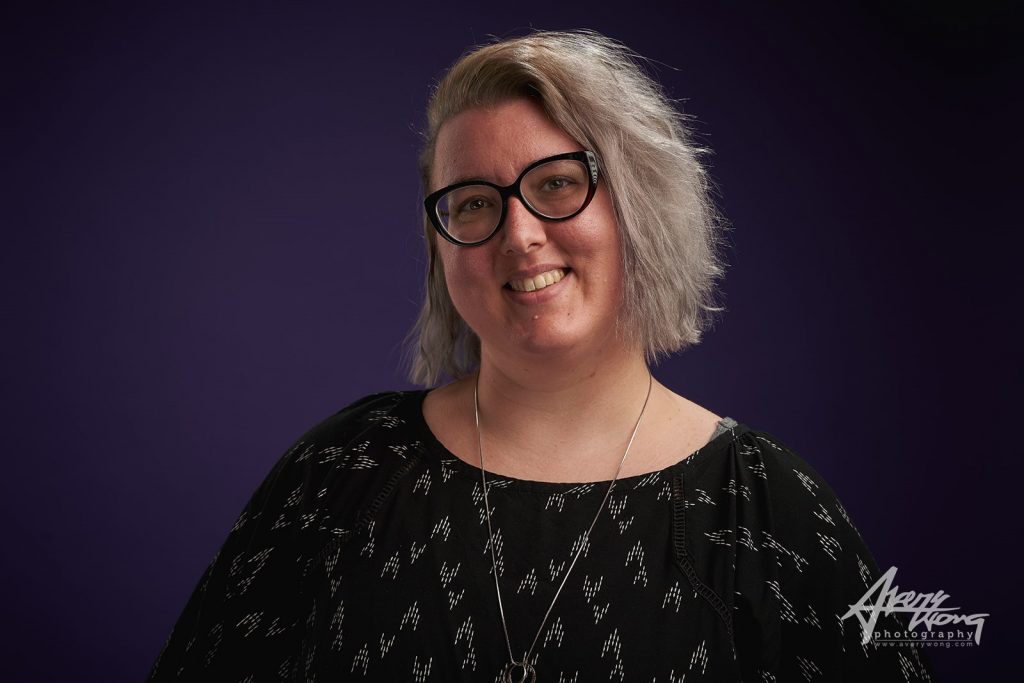
About Stephanie Guzzardo
Stephanie has been a veteran of the gaming industry for over 12 years, having started her career as a freelance journalist in 2008 before jumping headlong into working for game companies as a community manager and customer support specialist starting in 2010. She started at Twitch in 2017 as a Community Programs manager where she first dipped her toes in helping out with the TwitchCon cosplay contest before taking it over as the Executive Producer in 2018. Since then, Stephanie has moved into Influencer Marketing and working with Twitch Partners on paid programs. However, Stephanie maintains her role as Executive Producer and consultant for TwitchCon North America and (pending future in person events) TwitchCon Europe cosplay contests as it is her passion project and loves working with and elevating the Cosplay Community on Twitch.
Project Anime: Global 2020 will take place virtually on November 17-18 and can be attended from anywhere in the world. With a theme of “Evolving with the Events Industry,” the conference will feature two uniquely-curated programming tracks, one geared towards event organizers and another aimed at industry professionals. As the landscape of the industry changes rapidly in response to current events, events and businesses have been compelled to adapt accordingly. This has given rise to new uncharted ventures and opportunities, including virtual/hybrid events and unique digital engagement. Learn more about speakers & panel information by visiting the Project Anime: Global 2020 page.
The post Stephanie Guzzardo (Influencer Marketing Manager, Twitch) Joins Project Anime: Global 2020 appeared first on Project Anime.
]]>